
Popular Tree Removal Equipment for Safe and Effective Work
Explore essential tools and gear that ensure safe, precise, and hassle-free tree removal projects for various sizes and types.
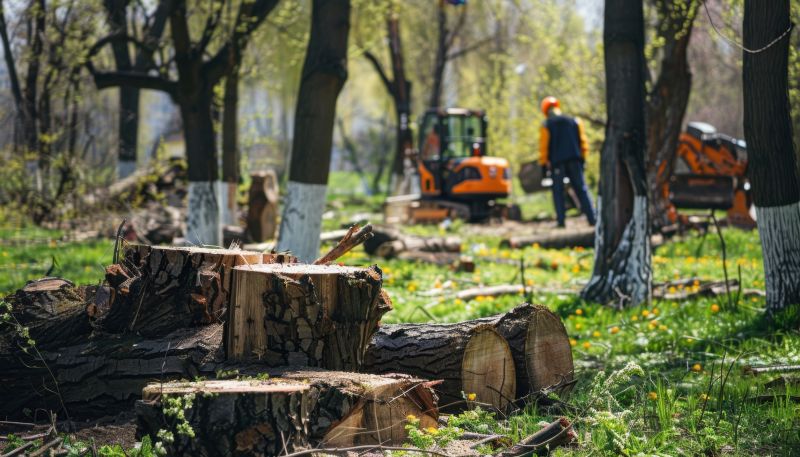 Tree removal is a task that requires careful planning and the right tools to ensure safety and efficiency. Whether dealing with hazardous branches, diseased trees, or clearing space for new landscaping, selecting appropriate products is essential. From manual hand tools to powered equipment, there are numerous options designed to assist in different aspects of tree removal. Understanding the features and applications of each type can help you make informed decisions suited to your specific needs.
Top Overall Option
Powerful Gas-Powered Chainsaw
A versatile and robust gas-powered chainsaw is often considered an essential tool for tree removal. It offers the power needed to cut through large branches and trunks with relative ease, making it suitable for both professional arborists and serious homeowners. Features such as adjustable bar lengths, anti-vibration systems, and easy-start mechanisms can enhance usability and safety. While it requires proper handling and safety gear, this type of chainsaw provides the strength and reliability necessary for demanding tree removal tasks.
Types of Products For Tree Removals
Hand Pruning Saws
Ideal for detailed cutting and trimming smaller branches, these manual saws are lightweight and easy to control.
Loppers
Long-handled cutting tools designed for pruning thicker branches with minimal effort.
Pole Pruners
Extendable tools that allow reaching high branches without the need for ladders.
Chainsaws
Power tools suitable for cutting through large trunks and branches efficiently.
Reciprocating Saws
Versatile handheld saws useful for cutting through wood and removing smaller trees or branches.
Stump Grinders
Machines designed to grind down tree stumps after removal, facilitating landscape restoration.
Aerial Lifts
Equipment that provides elevated access for removing high branches safely.
Rope and Harness Systems
Safety gear and rigging tools for controlled climbing and branch removal.
Wood Chippers
Machines that shred branches and small trunks into mulch or chips.
Root Cutters
Tools designed to sever roots when preparing for tree removal or landscape work.
Popular Choices
Portable and easy to handle, these are popular for small to medium tree work without the hassle of cords.
Affordable and reliable, ideal for small pruning tasks and light trimming.
Popular for reaching high branches safely from the ground.
Compact and user-friendly options for small-scale stump removal.
Preferred for larger trees and professional use due to their power and durability.
Offering cordless convenience, these are trending for ease of use in tree trimming.
Essential for professionals, these include harnesses, spikes, and safety ropes.
Popular for yard cleanup, turning branches into mulch efficiently.
Used with machinery for quick and clean removal of large branches and sections.
Trusted by professionals for controlled lowering of heavy limbs.
For smaller trees or branches, hand tools such as pruning saws, loppers, and manual pole pruners are often sufficient. These tools are lightweight, easy to maneuver, and ideal for precise cuts. For larger trees or more extensive removal projects, powered equipment like chainsaws, pole saws, and stump grinders become necessary. These tools can handle tougher jobs more efficiently but require proper safety precautions and handling skills.
Safety is paramount when undertaking tree removal activities. Protective gear such as helmets, gloves, eye protection, and sturdy clothing should always be used. Additionally, considering the terrain and proximity to structures can influence the choice of equipment. For example, compact and lightweight tools may be better for tight spaces, while heavy-duty machinery is suitable for open areas with large trees. Proper training or consultation with professionals is recommended for complex or high-risk removals.
Having the right products not only facilitates a smoother removal process but also enhances safety and minimizes potential damage to surrounding property. Whether you are a homeowner tackling a small project or a professional arborist managing multiple trees, selecting appropriate tools tailored to your scope of work is crucial. Investing in quality products can make the task more manageable and safer, ensuring the job is done effectively and efficiently.
Key Buying Considerations
- Assess the size of trees and branches to determine the appropriate power and capacity of tools.
- Prioritize safety features such as anti-vibration handles, safety guards, and easy-start mechanisms.
- Consider the weight and maneuverability of equipment, especially for extended use or limited space.
- Evaluate the power source—gas, electric, or battery—based on convenience and project scale.
- Ensure compatibility with safety gear like helmets, gloves, eye protection, and harnesses.
- Check for ease of maintenance and availability of replacement parts or accessories.
- Think about storage options and portability if you need to transport equipment frequently.
- Review user feedback and ratings to gauge reliability and performance of specific tools or brands.
- Determine whether professional-grade equipment is necessary or if DIY tools suffice.
- Consider environmental conditions and terrain where the tools will be used for safety and efficiency.
- Set a budget that balances quality, durability, and your specific project needs.
- Look for tools with adjustable features to customize performance for different tasks.
- Evaluate noise levels if working in noise-sensitive environments or residential areas.
- Research warranty and customer support options for ongoing assistance.